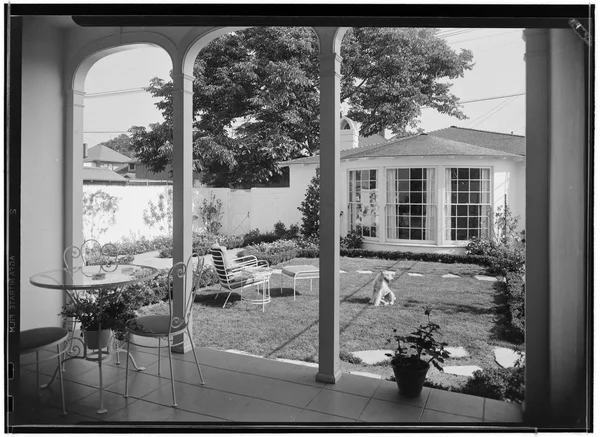
Photo by Frank L. Gaynor
Paul R. Williams: Architect for Living
Exhibition dates November 15, 2026 – May 31, 2027
Location Los Angeles County Museum of Art, Resnick Pavilion
Curators Staci Steinberger and Sarah Locke
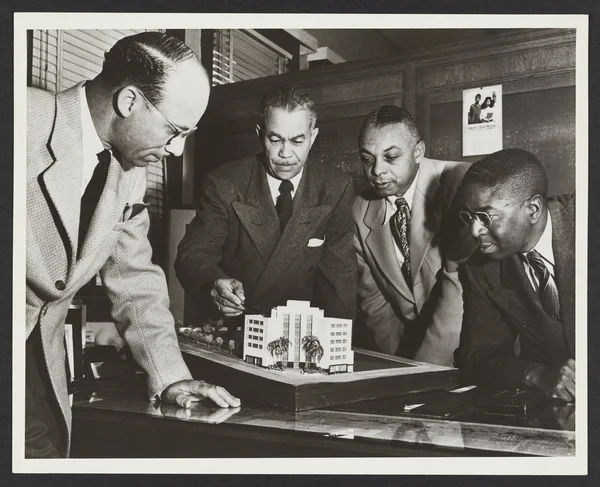
A singular figure in twentieth-century architecture, Paul R. Williams (1894–1980) transformed both the architectural profession and the built environment of his native Southern California in a career that spanned from the 1910s to the early 1970s. The most prominent Black American architect of his era, Williams succeeded despite systemic racism, diversifying the public face of the profession and inspiring future generations.
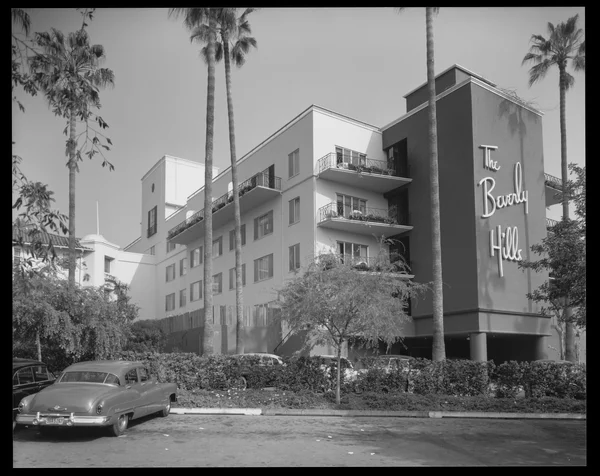
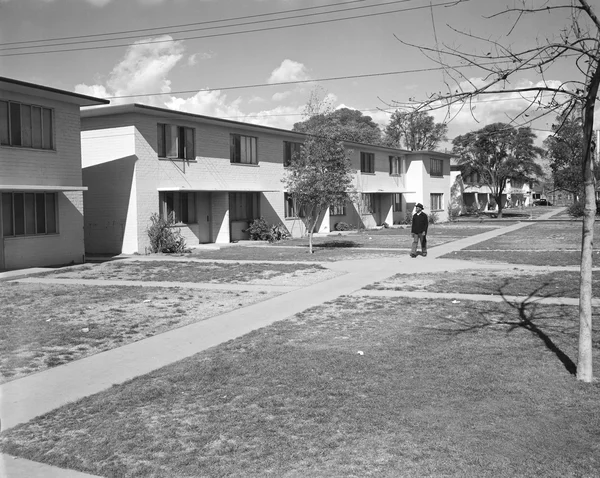
Famed for palatial celebrity residences and sumptuous renovations of glamorous hotels, Williams helped define luxury in Hollywood’s Golden Age. But his prolific career extended far beyond these rarefied circles. He built thousands of more modest dwellings, as well as numerous churches, schools, hospitals, and important commercial and civic projects. His contributions spanned the region—helping to shape neighborhoods that ranged from exclusive white enclaves in Beverly Hills and Hancock Park to historically Black districts in South Los Angeles—and extended across the United States and Latin America.
Read moreRead less
In 1923 Williams became the first known Black member to join the American Institute of Architects. He was later named its first Black fellow in 1957 and posthumously became the first Black winner of its prestigious Gold Medal in 2017. In spite of these and numerous other accolades, he has remained until now an understudied figure within architectural history in general and museums in particular.
This website was created to accompany the exhibition Paul R. Williams: Architect for Living (November 15, 2026–May 31, 2027), which was organized in conjunction with two partner exhibitions, Paul R. Williams: Architecture Across the Color Line at the Getty Research Institute (December 15, 2026–March 14, 2027) and Paul R. Williams: An Architect Considered at the USC Fisher Museum of Art (August 18, 2026–March 13, 2027). Collectively, these projects form the most comprehensive museum exploration of Williams’s influential career to date and mark the public debut of the architect’s extensive archive, which was jointly acquired by the University of Southern California School of Architecture and the Getty Research Institute in 2020. The opening of this archive to researchers—along with the publication of the monograph I Am an Architect: Paul R. Williams and His Archive (Getty Publications, forthcoming December 2026)—promises to invite further scholarship and a deeper understanding of his groundbreaking career.
This website builds on the work of Williams’s granddaughter Karen E. Hudson—who has long stewarded the architect’s legacy—and on previous projects, including the Paul Williams Project of the Art Museum of the University of Memphis, Paul Revere Was Here Tour of the Los Angeles Conservancy and the Southern California Chapter of the National Organization of Minority Architects, and A Legacy Revered: Janna Ireland on the Architectural Legacy of Paul Revere Williams of the Nevada Museum of Art. It provides another entry point to learning about Williams’s architectural influence and his transformational impact on the built environment, particularly in his native Southern California. Here, you can explore key projects that Paul R. Williams designed, organized thematically and mapped across the region.
-
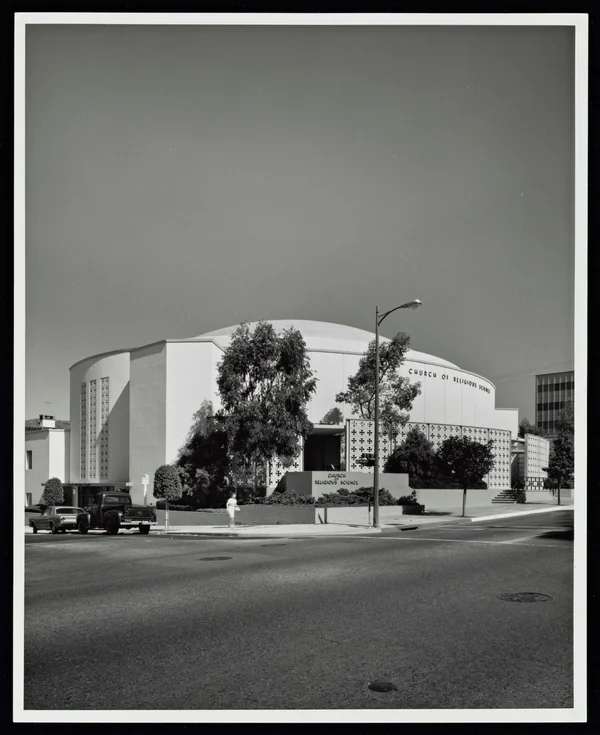
Highlights
The highlights selected are some of Williams’s most familiar and well-documented works. Among an impressive number of commissions in Los Angeles during its most transformative years, they showcase a wide variety of building types, scales, and styles.
-
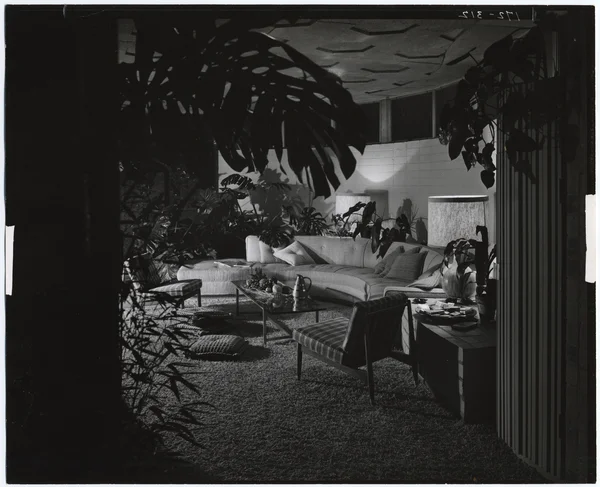
Williams at Home and Work
Williams’s movements through his native Los Angeles trace the growth of the city over his lifetime and demonstrate the racist restrictions that governed where Black Angelenos could live, especially in the first half of the twentieth century.
-
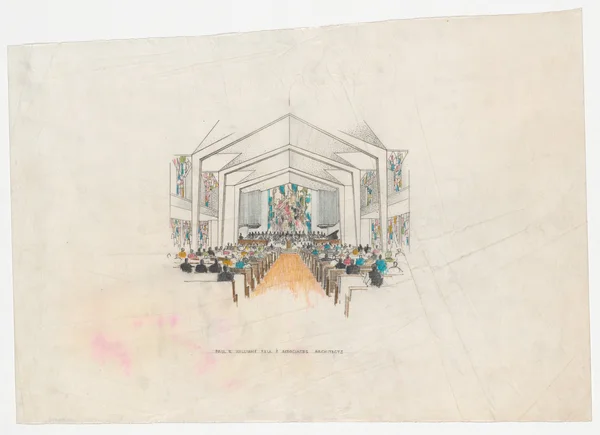
Building the Black Community in Southern California
Black institutions provided Williams with prestigious commissions from the earliest decades of his practice, and he remained committed to Black organizations, businesses, and homeownership throughout his career.
-
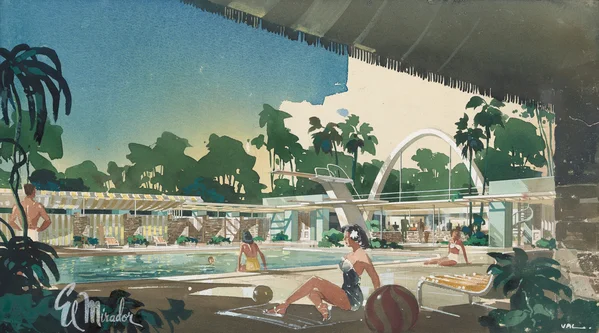
Midcentury Dreamscapes
Williams’s sophisticated hospitality spaces projected a distinctly Californian vision of midcentury glamour, crafting backdrops for Hollywood’s elite—whether they were lunching at the Beverly Hills Hotel’s Polo Lounge, attending Ambassador Hotel galas, or sipping cocktails at Perino’s restaurant.
-
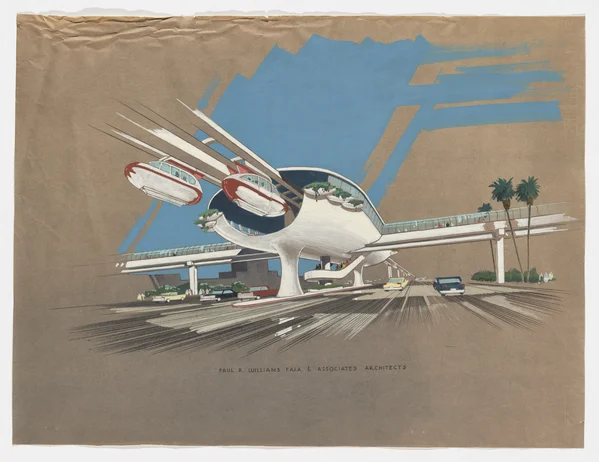
Keeping Pace with Progress
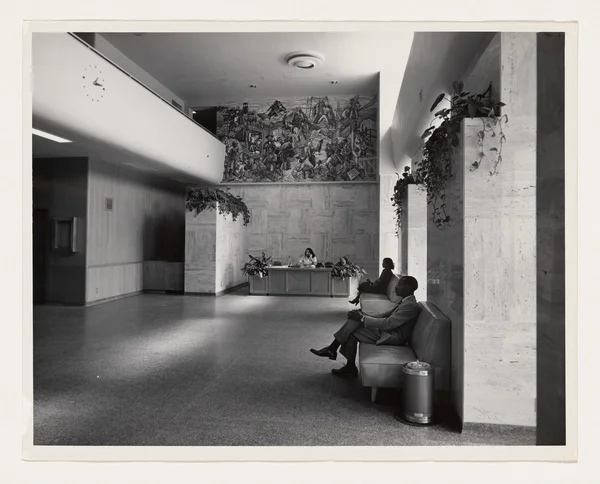
After witnessing early employers shape the city’s expanding infrastructure, he became a postwar leader for major urban projects, influencing how people moved through the modern city and experienced civic life.
-
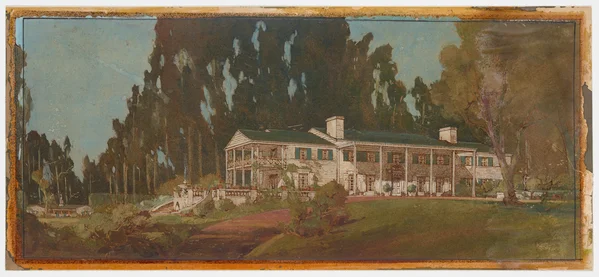
Lost Masterworks
While many of Williams’s projects remain beloved fixtures of the built environment, some of his most celebrated homes were destroyed by demolition or fire. Tracing these lost masterworks serves as a reminder of the importance of preserving those that still stand.